Black Mold in Shower
Dangerous Black Mold in Shower: What Homeowners Need to Know
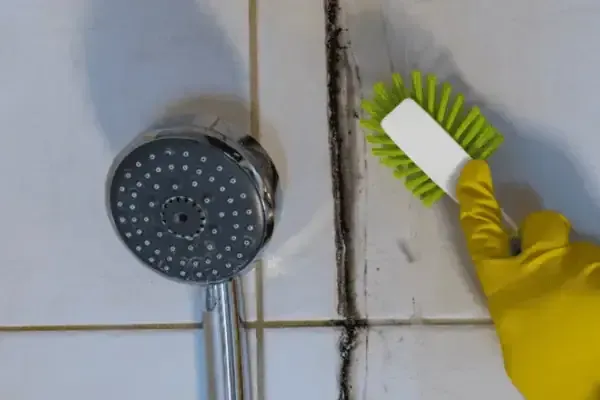
Is there black gunk creeping up your shower tiles or caulking? Don't ignore it — that "just mold" could be hazardous black mold, and it's more than just an eyesore.
Black mold in showers is surprisingly common but also surprisingly dangerous. It thrives in warm, damp spaces like bathrooms and can pose serious health risks if left untreated.
In this post, we’ll break down:
What black mold is and how to identify it
Why it’s dangerous to your health
What causes it to grow in your shower
How to remove it safely (DIY and professionally)
How to prevent it from coming back
Let’s get your bathroom back to being a safe, clean space.
What Is Black Mold?
Black mold, scientifically known as Stachybotrys chartarum, is a toxic fungus that grows in consistently damp environments. It often appears as dark black or greenish-black patches and thrives on organic materials like wood, drywall, or even your bathroom grout.
It gives off a distinct musty odor and can spread quickly if not addressed.
Not all mold is toxic, but black mold produces mycotoxins — harmful compounds that can trigger serious health issues, especially with prolonged exposure.
Why Is Black Mold in Your Shower So Dangerous?
Black mold isn't just gross — it’s a potential health hazard.
Health Risks of Black Mold Exposure:
Even short-term exposure can cause symptoms such as:
Chronic coughing or sneezing
Eye, nose, and throat irritation
Fatigue and headaches
Skin rashes
For sensitive groups — like children, the elderly, or people with asthma or weakened immune systems — black mold exposure can lead to more serious conditions:
Persistent respiratory infections
Worsened asthma or allergy symptoms
Neurological symptoms (in rare but severe cases)
And because showers are small, enclosed spaces, mold spores and mycotoxins can become highly concentrated during daily use.
What Causes Black Mold in Showers?
Showers are a mold magnet due to their constant exposure to moisture. Here’s what helps black mold thrive in your bathroom:
1. Excess Moisture
Water from daily showers lingers on tiles, grout, and glass, creating the perfect breeding ground for mold. Leaky plumbing or poor caulking adds fuel to the fire.
2. Poor Ventilation
A bathroom without proper airflow traps humidity. No exhaust fan? No open window? You’re essentially inviting mold to move in.
3. Infrequent Cleaning
Soap scum, body oils, and shampoo residue provide food for mold spores. Skipping regular cleaning lets mold establish itself fast.
4. Old or Damaged Materials
Cracked tiles, deteriorated grout, or water-damaged drywall can trap moisture, making it easy for black mold to grow unnoticed behind the scenes.
Signs of Black Mold in Your Shower
Not sure if what you're seeing is the dreaded black mold? Here are some tell-tale signs:
Dark spots or patches on grout lines, caulking, ceilings, or tile edges
Musty, earthy odor, especially after a hot shower
Persistent condensation or dampness
Peeling paint or bubbling walls near the shower
If you also experience allergy-like symptoms only when using the bathroom, mold might be to blame.
How to Remove Black Mold from Your Shower
Option 1: DIY Mold Removal Methods
For small areas, DIY removal may be effective. Here are a few natural but powerful solutions:
White Vinegar Spray
Mix equal parts white vinegar and water in a spray bottle
Spray the affected area generously
Let sit for 1 hour, scrub with a stiff brush, and rinse
Hydrogen Peroxide
Use 3% hydrogen peroxide in a spray bottle (no dilution)
Spray and let sit for 10 minutes
Scrub and rinse thoroughly
Baking Soda Paste
Mix baking soda with water to form a thick paste
Apply to the mold, scrub with a brush after 10 minutes, and rinse clean
Pro Tip: Always wear gloves, a mask, and ensure proper ventilation when cleaning mold.
When DIY Isn’t Enough
If the mold keeps coming back, the area is larger than 10 square feet, or you have health concerns, it’s time to call in professionals.
Professional Mold Removal: Why It’s the Smart Choice
DIY methods can handle surface-level mold — but they often miss mold hidden behind walls, under tiles, or in ventilation systems.
Professional mold remediation teams, like ZeroMold, use specialized equipment and protocols to:
Identify the full extent of mold growth (even hidden mold)
Safely remove all traces without spreading spores
Repair and seal affected areas to prevent return
Advise on ventilation and moisture control
Get Your Home Mold-Free with ZeroMold
At ZeroMold, we specialize in safe, thorough mold removal for bathrooms and beyond.
Free mold inspections
State-of-the-art remediation tools
Licensed, trained mold professionals
Moisture control and prevention services
Whether you're dealing with a persistent patch of black mold or a full-blown bathroom infestation, we’re the team homeowners trust to restore safety and peace of mind.
Don’t let mold take over your bathroom — call ZeroMold today for a cleaner, healthier home.
How to Prevent Black Mold in Showers
Once you've removed mold, keep it from coming back with these simple tips:
Ventilate After Every Shower: Use the exhaust fan for at least 30 minutes after use
Wipe Down Surfaces: Dry tiles, glass, and grout with a towel or squeegee
Fix Leaks Promptly: Don't ignore dripping faucets or cracked grout
Deep Clean Weekly: Use anti-mold cleaners or vinegar to scrub tiles and grout
Keep Humidity Below 50%: Consider a dehumidifier if your bathroom lacks ventilation
Final Thoughts
Black mold in your shower isn't just an ugly nuisance — it's a serious health threat that thrives in the very space you rely on to get clean.
Whether you tackle a small patch yourself or bring in the experts at ZeroMold, the key is taking action now.
Regular cleaning
Proper ventilation
Professional help when needed
Take control of your bathroom’s health before black mold does.
📞 Ready to Breathe Easier?
Call ZeroMold today for a free consultation and get your shower — and your health — back on track.